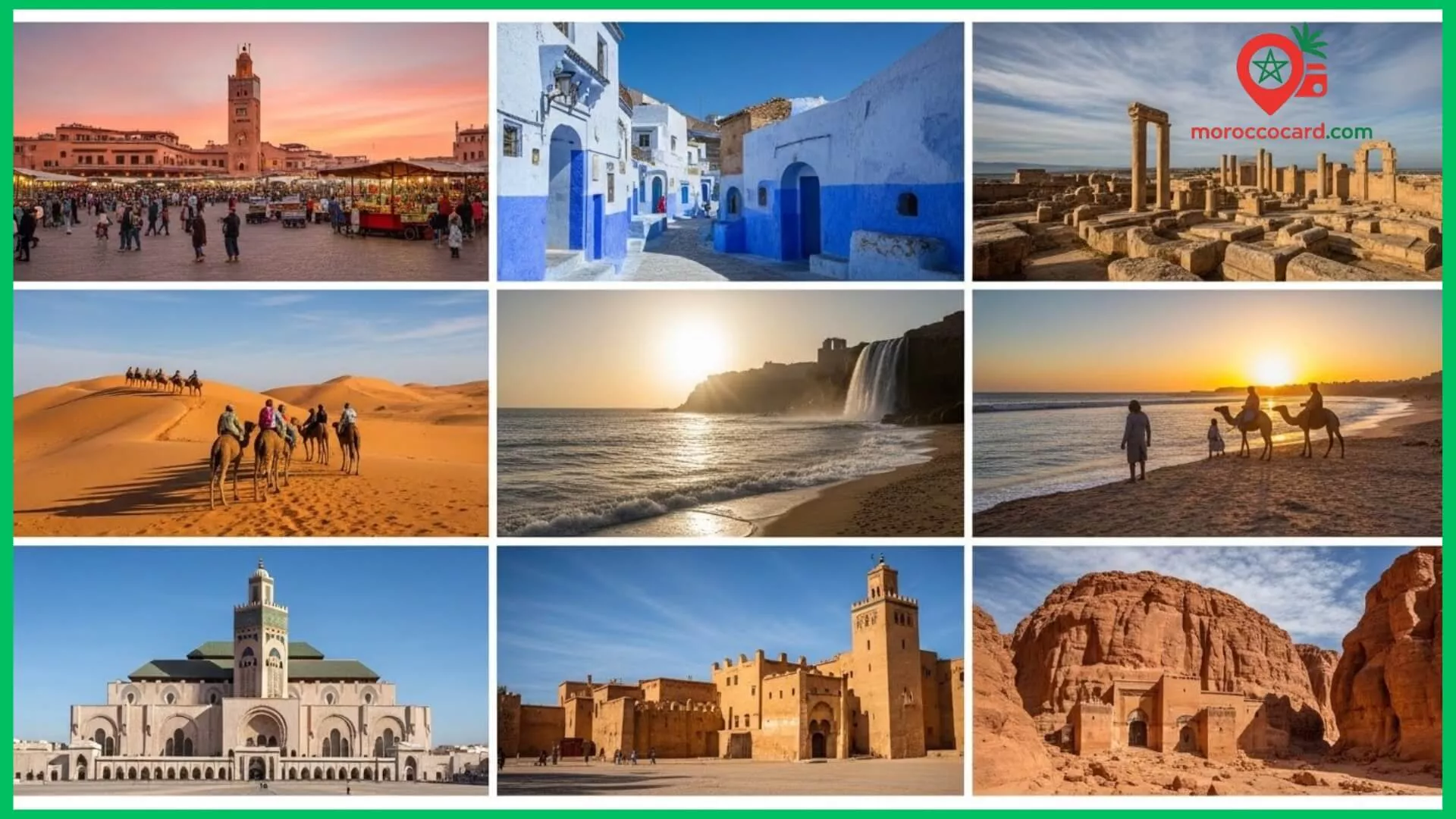
Top 10 Destinations in Morocco for Your Next Adventure
Morocco is honestly one of those places that feels like stepping into another world. You’ve got everything here—golden sand dunes that stretch forever, snow-capped mountains, ancient cities with winding alleyways, and beaches where you can catch some serious waves. It’s like someone took the best bits of different continents and squeezed them into one incredible country.
Whether you’re the type who wants to ride camels across the Sahara at sunset, get lost in colorful markets haggling over spices, or just chill in a blue-painted mountain town with a mint tea, Morocco’s got you covered. And the best part? It’s super accessible from Europe but feels worlds away.
Let’s dive into the top 10 spots you absolutely can’t miss on your Moroccan adventure.
1. Marrakech – The Red City
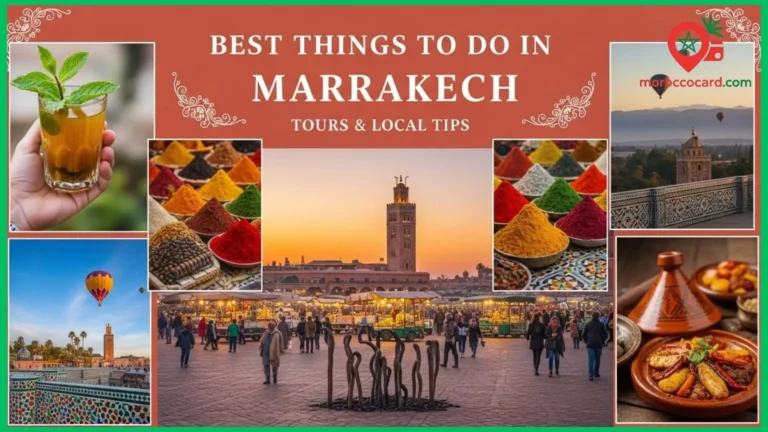
Marrakech is pure sensory overload in the best way possible. The moment you step into Jemaa el-Fnaa square, you’re hit with snake charmers, street food sizzling on grills, henna artists, and storytellers who’ve been perfecting their craft for generations. It’s chaotic, colorful, and completely addictive.
The souks are a maze where you can spend hours browsing leather goods, lanterns, carpets, and spices. Pro tip: Bargaining is expected, so don’t be shy about negotiating. The palaces like Bahia Palace and El Badi are stunning, and staying in a traditional riad (Moroccan house with a central courtyard) is an experience in itself—think rooftop terraces perfect for sunset views.
Don’t skip the hammam experience either. It’s like a spa day, Moroccan-style, and your skin will thank you.
Ideal for: First-timers to Morocco and culture lovers who want the full experience
2. Fes – Morocco’s Cultural Capital
If Marrakech is the party, Fes is the wise older sibling with all the stories. This city houses the world’s oldest continuously operating university (University of Al Quaraouiyine, founded in 859 AD—yeah, it’s that old). The medina, Fes el-Bali, is a UNESCO World Heritage site and honestly feels like time travel.
The narrow streets are so twisty you’ll definitely get lost, but that’s half the fun. The famous leather tanneries are a must-see—just be prepared for the smell. They’ll hand you some mint leaves to hold under your nose, which helps. Watching the craftsmen dye leather in those ancient stone pools using traditional methods is pretty mesmerizing.
Fes moves at a slower pace than Marrakech, which makes it perfect for soaking up authentic Moroccan culture without the tourist crowds.
Ideal for: History buffs and anyone who wants to experience Morocco’s traditional heart
3. Chefchaouen – The Blue Pearl
Picture this: an entire town painted in every shade of blue you can imagine, tucked into the Rif Mountains. That’s Chefchaouen, and it’s exactly as magical as it sounds. The blue walls were originally painted by Jewish refugees in the 1930s (blue symbolizes the sky and heaven), and the tradition just stuck.
This place is Instagram heaven, but beyond the photos, it’s genuinely peaceful. The vibe here is super laid-back—people actually walk slower, cats nap in doorways, and locals chat over endless cups of mint tea. The hiking around the area is fantastic too if you want to stretch your legs.
It’s one of those places where you plan to stay two days and end up staying five because you just can’t leave.
Ideal for: Photographers, anyone needing to decompress, and slow travel enthusiasts
4. Sahara Desert (Merzouga) – Ultimate Desert Adventure
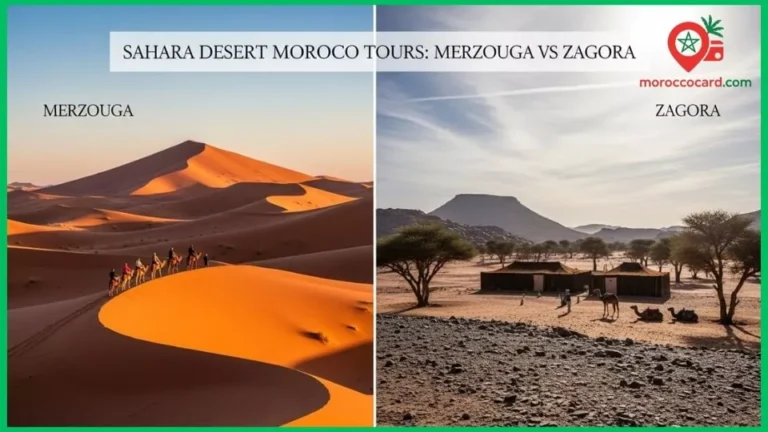
Okay, so sleeping under a billion stars in the Sahara Desert is one of those bucket-list experiences that actually lives up to the hype. Merzouga sits on the edge of the massive Erg Chebbi dunes—these gorgeous orange sand mountains that shift and change with the wind.
Most people do the classic camel trek at sunset (yes, your legs will be sore, but it’s worth it) to a desert camp where you’ll have dinner, listen to Berber music around a campfire, and sleep in traditional tents. The stargazing here is unreal because there’s zero light pollution. You’ll see the Milky Way so clearly it doesn’t even look real.
Morning in the desert is equally magical—watching the sunrise paint the dunes in shades of pink and gold while everything’s still quiet is pretty spiritual.
Ideal for: Adventure seekers and anyone who wants a once-in-a-lifetime experience
5. Essaouira – Coastal Charm
After all that desert heat and city hustle, Essaouira feels like a cool ocean breeze. This Atlantic coast town is known for its windsurfing (the wind here is constant), fresh seafood that’s caught daily, and super chill vibes. The medina is way more relaxed than Marrakech’s—you can actually browse without aggressive selling.
The beach stretches for miles, and watching the blue fishing boats bob in the harbor is oddly therapeutic. Food-wise, you’ve gotta hit the fish stalls in the port where they’ll grill your catch fresh. Pair it with some Moroccan wine (yes, they make wine here), and you’re living.
A lot of digital nomads and artists have made Essaouira their base, which tells you something about its appeal.
Ideal for: Beach lovers, surfers, and anyone who wants a more mellow Moroccan experience
6. Atlas Mountains – Hiking & Nature Escape
The Atlas Mountains run through Morocco like a spine, and they’re absolutely stunning. You’ve got the High Atlas with Mount Toubkal—North Africa’s highest peak at 4,167 meters. Climbing it is challenging but doable for most people with decent fitness.
Even if you’re not into summit attempts, the Berber villages scattered through these mountains are worth visiting. The hospitality is incredible—locals will invite you in for tea and homemade bread like you’re family. The valleys are green and lush (surprising for Morocco), with terraced gardens and walnut groves.
Spring is gorgeous here with wildflowers everywhere, and winter actually brings snow to the higher elevations.
Ideal for: Hikers, nature lovers, and anyone wanting to escape the heat
7. Casablanca – Modern Morocco
Let’s be real—Casablanca doesn’t have the same ancient charm as Fes or Marrakech, but it’s worth a stop for a different side of Morocco. This is the economic powerhouse, Morocco’s New York, if you will. It’s modern, fast-paced, and shows you how contemporary Moroccans live.
The Hassan II Mosque is the main draw and honestly, it’s breathtaking. It’s one of the largest mosques in Africa with a minaret that reaches 210 meters high. The location right on the Atlantic Ocean is dramatic, and it’s one of the few mosques in Morocco that non-Muslims can tour inside.
The Art Deco architecture downtown is pretty cool too if you’re into that style. Casablanca’s more about experiencing urban Morocco than checking off tourist sites.
Ideal for: Urban explorers and architecture fans
8. Rabat – The Elegant Capital
Rabat often gets overlooked because it’s the political capital and doesn’t scream “tourist destination,” but that’s actually its charm. It’s clean, organized, and way less chaotic than other Moroccan cities. Think of it as Morocco’s sophisticated cousin who has its life together.
The Kasbah of the Udayas is beautiful with its blue and white Andalusian-style streets overlooking the ocean. Hassan Tower and the Mausoleum of Mohammed V are impressive historical sites. The medina here is manageable size-wise and not overwhelming.
It’s perfect if you want Moroccan culture without the intensity, and the coastal location means great seafood and ocean views.
Ideal for: Travelers who prefer relaxed city exploration over sensory overload
9. Ouarzazate – Gateway to the Desert
Movie buffs, this one’s for you. Ouarzazate is nicknamed the “Hollywood of Africa” because its dramatic desert landscapes have been featured in tons of films—think Gladiator, Game of Thrones, and basically every desert scene you’ve ever watched.
The real star here is Ait Ben Haddou, a UNESCO World Heritage fortified village (ksar) that looks like it’s made of sand castles. It’s been used as a filming location so many times you’ll probably recognize it. The drive through the Atlas Mountains to get here is spectacular too—all dramatic gorges and winding roads.
The film studios offer tours where you can see actual sets and props, which is pretty fun even if you’re not a huge movie nerd.
Ideal for: Film enthusiasts and anyone heading to/from the Sahara
10. Tangier – Where Africa Meets Europe
Tangier sits right at the Strait of Gibraltar, so close to Spain you can literally see it across the water. This strategic location has made it a cultural melting pot forever—writers and artists from around the world used to hang out here in its bohemian heyday.
The medina winds up from the port with ocean views, and the Kasbah district has a more refined feel. The literary history is cool—you can visit spots where writers like Paul Bowles and William S. Burroughs lived and worked. The beaches are decent, and the café culture is strong here.
It’s also a gateway city if you’re taking the ferry from Spain, making it a convenient first or last stop.
Ideal for: Literary fans, history buffs, and cross-continental travelers
Best Time to Visit Morocco
Spring (March through May) and fall (September through November) are honestly perfect. The weather’s mild—not too hot, not too cold—and everything’s in bloom during spring. You can comfortably explore cities without melting and hike in the mountains without freezing.
Summer (June to August) gets seriously hot, especially in Marrakech and the desert. We’re talking 40°C plus. Coastal areas stay cooler though, so Essaouira becomes very popular. Winter (December to February) is great for desert trips since daytime temps are pleasant, but nights get freezing. The mountains can be snowy, which is beautiful but limits hiking.
Festival-wise, Ramadan moves dates each year but brings interesting cultural experiences. The Rose Festival in May and various music festivals throughout the year are worth timing your trip around.
Travel Tips for Morocco
Getting around is pretty straightforward. Trains connect major cities and are comfortable and cheap. For smaller towns, CTM buses are reliable. Renting a car gives you freedom but Moroccan driving is… let’s say adventurous. Taxis are everywhere—just make sure they use the meter in cities or agree on a price beforehand.
Currency is the Moroccan Dirham (MAD). ATMs are common in cities, but carry cash for rural areas and souks. Credit cards work in hotels and nicer restaurants but not much else.
Dress modestly to respect local customs—covering shoulders and knees is appreciated, especially for women. Morocco’s pretty relaxed compared to some Muslim countries, but respecting local culture goes a long way.
Learn a few Arabic or French phrases. “Shukran” (thank you) and “Salam” (hello) will get you smiles. French is widely spoken, especially in cities.
Safety-wise, Morocco’s generally very safe for tourists. Normal precautions apply—watch your belongings in crowded areas, avoid empty streets at night, and be aware of common scams (fake guides are the main one).
Pack layers since temperatures swing wildly. Desert nights are cold even when days are hot. Sunscreen, a hat, and comfortable walking shoes are essential. Bring hand sanitizer and maybe some toilet paper for public bathrooms.
Frequently Asked Questions
Is Morocco safe for tourists?
Yes, Morocco is one of the safer countries in North Africa and the Middle East for tourists. Millions visit every year without issues. Petty theft can happen in tourist areas, so keep your valuables secure. Solo female travelers generally feel comfortable, though you might get some attention. Trust your instincts and use common sense like you would anywhere.
How many days do you need in Morocco?
Minimum one week to hit highlights like Marrakech, Fes, and maybe Chefchaouen or the desert. Two weeks lets you really explore without rushing and add coast or mountains. Three weeks or more means you can dig deeper into regions and travel slower. Most people do 10-14 days and feel satisfied.
Do I need a visa to visit Morocco?
Many nationalities (US, Canada, EU, UK, Australia) get 90 days visa-free for tourism. Always check current requirements for your specific passport before booking. Entry requirements can change, so verify with official sources closer to your travel dates.
What is the best city to visit first in Morocco?
Marrakech is the classic first stop—it’s well-connected internationally, has tons of accommodation options, and gives you the full Moroccan experience right away. Casablanca is another option if you’re flying in there, but it’s less interesting so many people just transit through to other cities.
Plan Your Moroccan Adventure
Morocco’s diversity is what makes it so special. You can literally go from skiing in the mountains to camel trekking in the desert to surfing on the Atlantic in the same week. The culture is rich, the food is incredible (tagines, couscous, pastilla—you’ll gain weight and not care), and the hospitality is genuine.
Whether you’re after adventure, culture, relaxation, or all three, Morocco delivers. The country’s compact enough to see a lot without spending your entire trip in transit, but big enough that you could return multiple times and still discover new places.
Start planning your Moroccan adventure—trust me, this is one trip that’ll stay with you long after the tan fades.