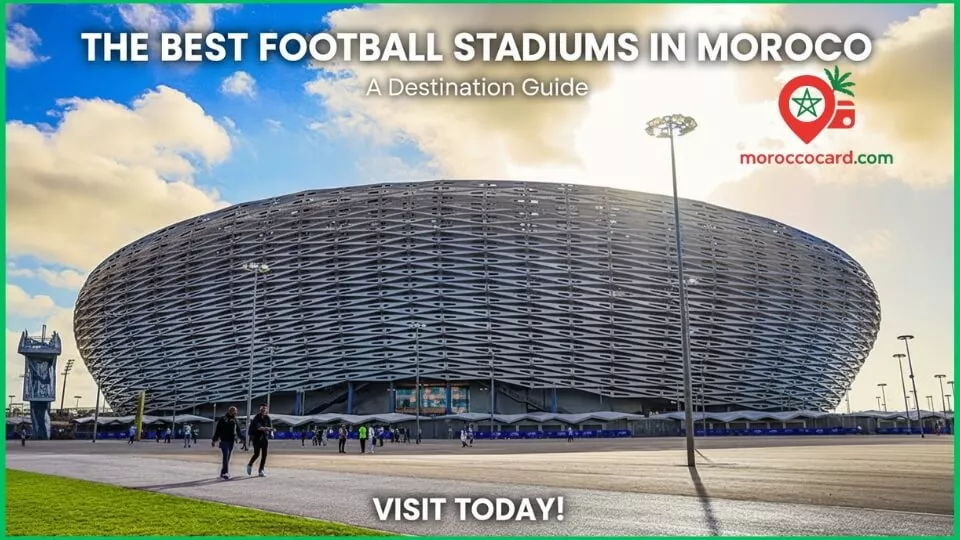
The Best Football Stadiums in Morocco to Visit Today
Morocco lives and breathes football. Walk through any city, and you’ll see kids playing in the streets, cafés packed with fans watching matches, and stadiums that turn into absolute cauldrons of noise on derby days. Whether you’re a hardcore football fan or just love experiencing local culture at its most intense, visiting a Moroccan stadium should absolutely be on your list.
With Morocco co-hosting the 2030 FIFA World Cup and recently hosting AFCON 2025, the country’s stadiums are getting serious upgrades. From the historic Stade Mohammed V, where the Casablanca Derby creates one of Africa’s wildest atmospheres, to the stunning waterfront Grand Stade de Tanger, these venues blend world-class facilities with passionate local football culture.
Why Morocco Is a Top Destination for Football Fans
Football isn’t just Morocco’s most popular sport—it’s basically a religion. The national team’s deep World Cup runs, and clubs like Raja Casablanca and Wydad dominating African competitions have put Moroccan football on the global map.
The fan culture here is something else: choreographed displays, non-stop singing, flares (when they can get away with it), and rivalries that run generations deep. Derby matches between Raja and Wydad in Casablanca or local clashes in other cities offer experiences you won’t find in many other countries—raw, loud, and absolutely electric.
Morocco’s stadiums also regularly host CAF Champions League matches, AFCON games, and international friendlies, meaning you’ve got a decent chance of catching high-level football almost any time of year.
Grand Stade de Tanger (Ibn Batouta Stadium)
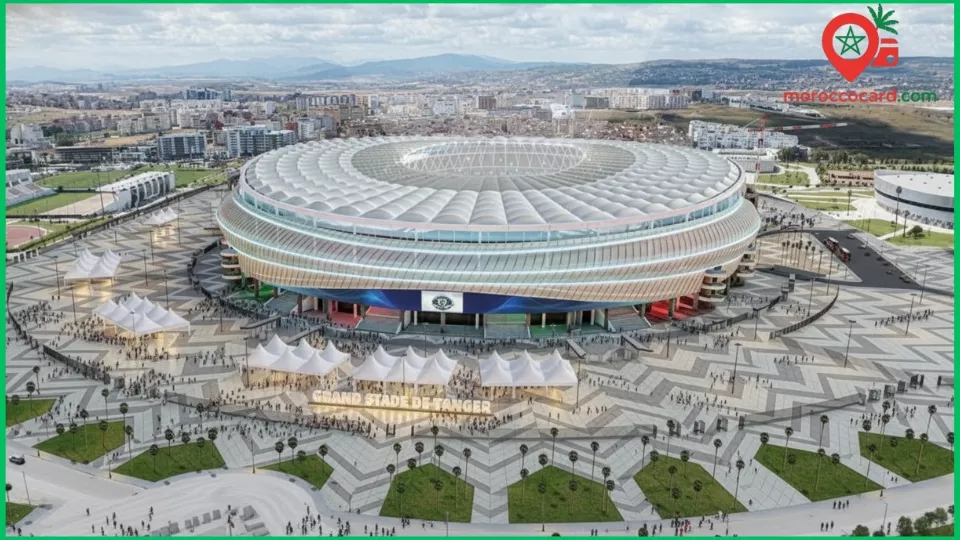
Capacity: 75,600
Location: Tangier
Opened: 2011 (major renovation completed 2025)
This is Morocco’s biggest stadium and, honestly, one of the most impressive in Africa right now. After a massive renovation completed in late 2025, the Grand Stade de Tanger (officially Ibn Batouta Stadium, named after the legendary 14th-century explorer) now features a 55,000 m² roof that was completed in just 69 days—pretty wild engineering.
The stadium sits near the waterfront with gorgeous views of the Strait of Gibraltar on clear days. It hosted multiple AFCON 2025 matches, including knockout rounds, and it’s set to be a major venue for the 2030 World Cup.
The atmosphere during big matches is insane, and Tangier itself is a great city to explore—mix in some medina wandering, fresh seafood, and a match day, and you’ve got yourself a perfect weekend.
Prince Moulay Abdellah Stadium (Rabat)
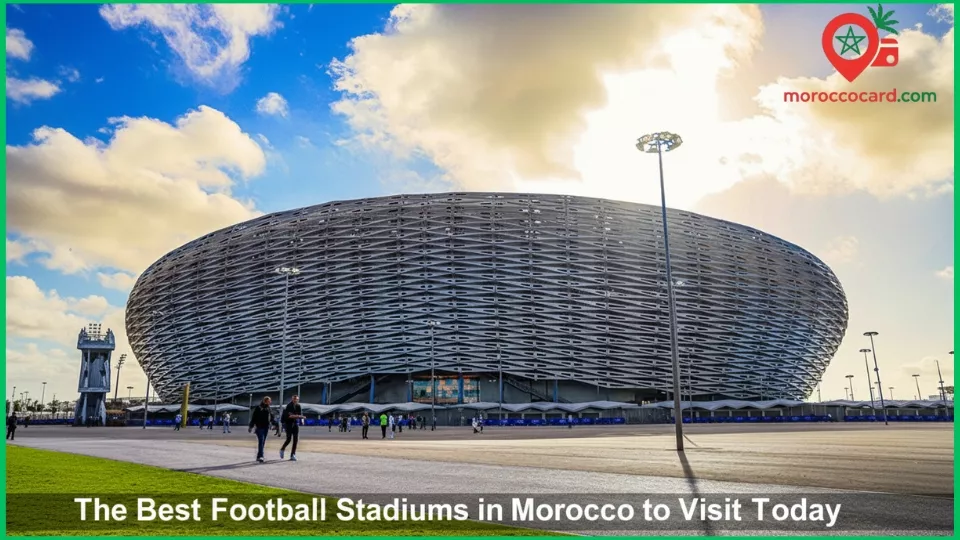
Capacity: 68,700
Location: Rabat
Status: Completely rebuilt and opened in 2025
Morocco’s national stadium got a complete teardown and rebuild, reopening just in time for AFCON 2025 as the tournament’s centerpiece venue. It hosted the opening match (Morocco vs Comoros) and the final in January 2026.
This is where the national team plays most of their biggest home matches, and being in the capital adds a certain gravitas to the whole experience. Rabat is less chaotic than Casablanca or Marrakech, so it’s a nice balance if you want football plus a more relaxed city vibe.
The new design is modern and sleek, and with nearly 70,000, it’s one of the largest stadiums in Morocco.
Stade Mohammed V (Casablanca)
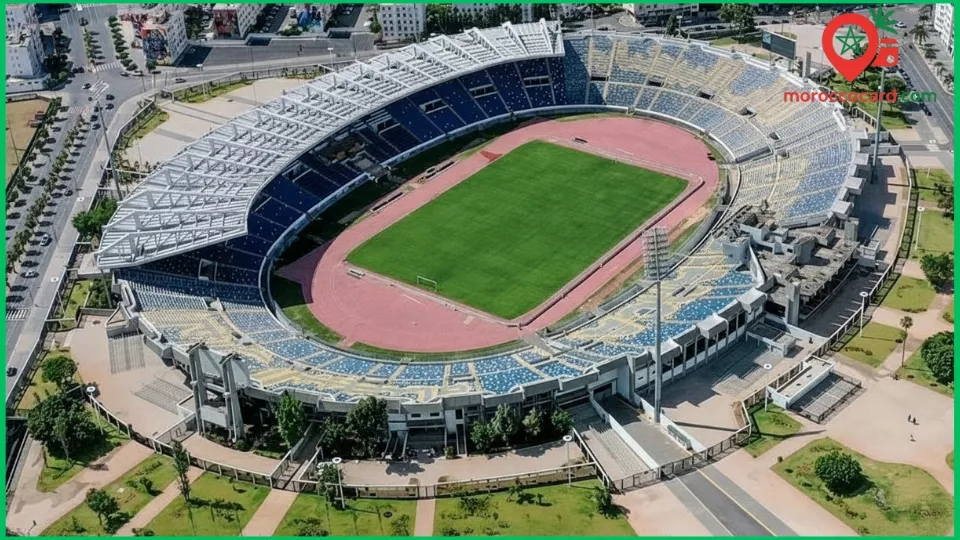
Capacity: 45,000
Location: Casablanca
Opened: 1955 (renovated 2025)
Home of: Raja Casablanca and Wydad Casablanca
This is the most historic and probably the most famous stadium in Morocco. Opened in 1955, Stade Mohammed V is where the legendary Casablanca Derby happens—Raja vs Wydad, one of the fiercest rivalries in African football.
Before renovations, this place once packed in 110,000 people for a derby (yes, really), and even with modern safety standards bringing capacity down to 45,000, the atmosphere is still absolutely mental. Both Raja and Wydad are giants of African club football, so catching a match here—especially a derby—is a bucket-list experience.
The stadium is part of the larger Mohammed V Sports Complex, which also has athletics facilities and other sports venues. Casablanca itself is Morocco’s economic heart and largest city, so there’s plenty to do before and after matches.
Grand Stade de Marrakech
Capacity: 45,240
Location: Marrakech
Opened: 2011
Marrakech’s grand stadium is in a perfect location for tourists: you can easily combine a match with exploring the medina, Jemaa el-Fnaa square, and all the iconic Marrakech experiences.
The stadium design is modern and comfortable, and it regularly hosts CAF matches and international friendlies. The crowd atmosphere isn’t quite as intense as Casablanca or Tangier, but it’s still a solid experience, especially if you’re already planning to visit Marrakech anyway.
The stadium is being upgraded to a 55,000 capacity ahead of the 2030 World Cup, so expect even better facilities soon.
Stade Adrar (Agadir)
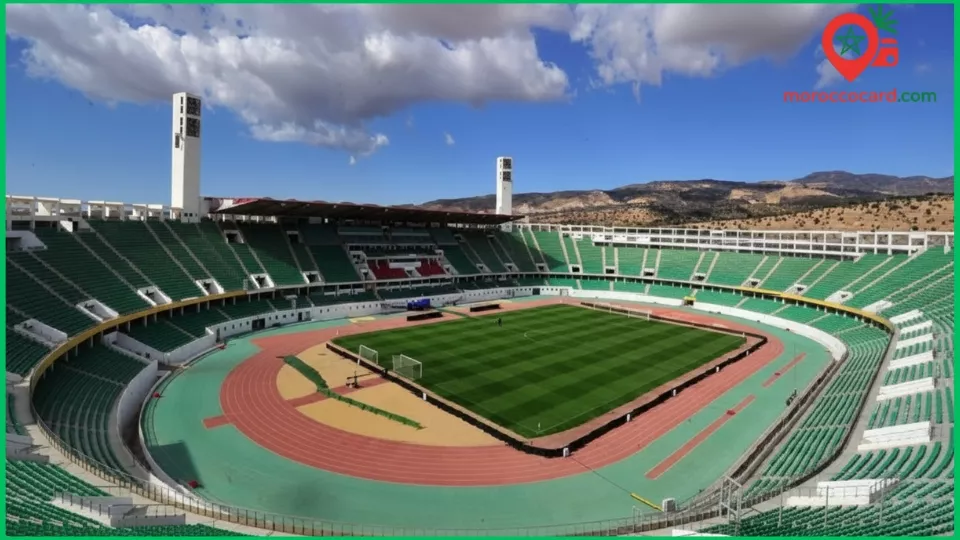
Capacity: 45,480
Location: Agadir
Opened: 2013
Stade Adrar is one of the coolest-looking stadiums in Morocco, with design elements inspired by Amazigh (Berber) culture—you’ll notice it in the architectural details. It’s the home of Hassania Agadir and brings big football to southern Morocco.
Agadir is a beach city and a more relaxed tourist destination than the northern cities, so this is a great option if you want to mix beach time, surfing, and a football match. The stadium atmosphere is strong when local teams play, and the facilities are modern and comfortable.
Like Marrakech’s stadium, Agadir’s stadium is slated for expansion to 55,000 seats for the 2030 World Cup.
Upcoming Stadium Projects and Renovations
Morocco isn’t playing around with its football infrastructure. The country is building the Hassan II Stadium in Casablanca, which will have a capacity of 115,000 when completed in 2028, making it one of the largest stadiums in the world.
Other stadiums like the ones in Fez, Marrakech, and Agadir are getting major upgrades to meet FIFA’s 55,000-seat minimum for 2030 World Cup venues. Morocco is also investing in sustainability and smart stadium tech, making these venues some of the most advanced in Africa.
Tips for Visiting Football Stadiums in Morocco
Buying tickets:
For big matches (national team, derbies, CAF matches), buy tickets online as early as possible—they sell out fast.
For regular league matches, you can often get tickets at the stadium on match day, though online is safer.
Best time to visit:
Moroccan football league season typically runs from August to May.
Peak atmosphere months are October–April, when the weather is also better for sightseeing.
Try to catch derby matches or CAF Champions League games if you can—the atmosphere is next level.
Stadium etiquette & safety:
Football crowds in Morocco are passionate but generally friendly to visitors.
Wear neutral colors if you’re not supporting either team, or if you’re backing a team, commit fully—half measures don’t really work in derby matches.
Follow local crowd behavior: singing is encouraged, but avoid getting too rowdy if you’re in family sections.
Combining stadium visits with tourism:
Casablanca: Pair a match with Hassan II Mosque, the Corniche, and downtown.
Tangier: Explore the medina, Kasbah, and Cap Spartel before or after the match.
Marrakech: Jemaa el-Fnaa, Majorelle Garden, and palaces during the day, match at night.
Rabat: Kasbah of the Udayas, Hassan Tower, and Chellah ruins.
FAQ
What is the biggest football stadium in Morocco?
Currently, the Grand Stade de Tanger (Ibn Batouta Stadium) at 75,600 capacity. When the Hassan II Stadium opens in 2028, it’ll jump to 115,000, making it one of the largest in the world.
Can tourists attend football matches in Morocco?
Absolutely. Stadiums welcome visitors, and attending a match is a great way to experience local culture. Just buy tickets in advance for big games and follow basic crowd etiquette.
Which Moroccan stadiums host international games?
The main ones are Prince Moulay Abdellah Stadium (Rabat) for national team matches, plus Grand Stade de Tanger, Stade Mohammed V (Casablanca), and the stadiums in Marrakech, Agadir, and Fez for tournaments like AFCON and CAF competitions.
Are stadium tours available in Morocco?
Some stadiums offer tours, especially the newer ones like Grand Stade de Tanger and Prince Moulay Abdellah. Check with local tourist offices or stadium websites, but match days are always the real experience.
Morocco’s football stadiums offer way more than just 90 minutes of sport—they’re windows into the country’s passion, pride, and culture. Whether you’re watching a Casablanca Derby that feels like it might explode at any second or taking in a national team match in a brand-new world-class venue, you’ll walk away with stories you won’t forget. Pack your scarf, learn a few chants, and get ready for one of the wildest football experiences in Africa.